The Adellion Report: Upcoming Indie Horror Titles You Need to Track
Introduction to Indie Horror Games
There’s something genuinely unsettling about indie horror games that bigger studios struggle to replicate. When a small team of developers—sometimes just one person working nights and weekends—pours their passion into a horror game, the result often hits differently than a $50 million AAA production. These games trade polished graphics for raw atmosphere, substituting power fantasies for extended vulnerability that keeps you feeling alive with dread.
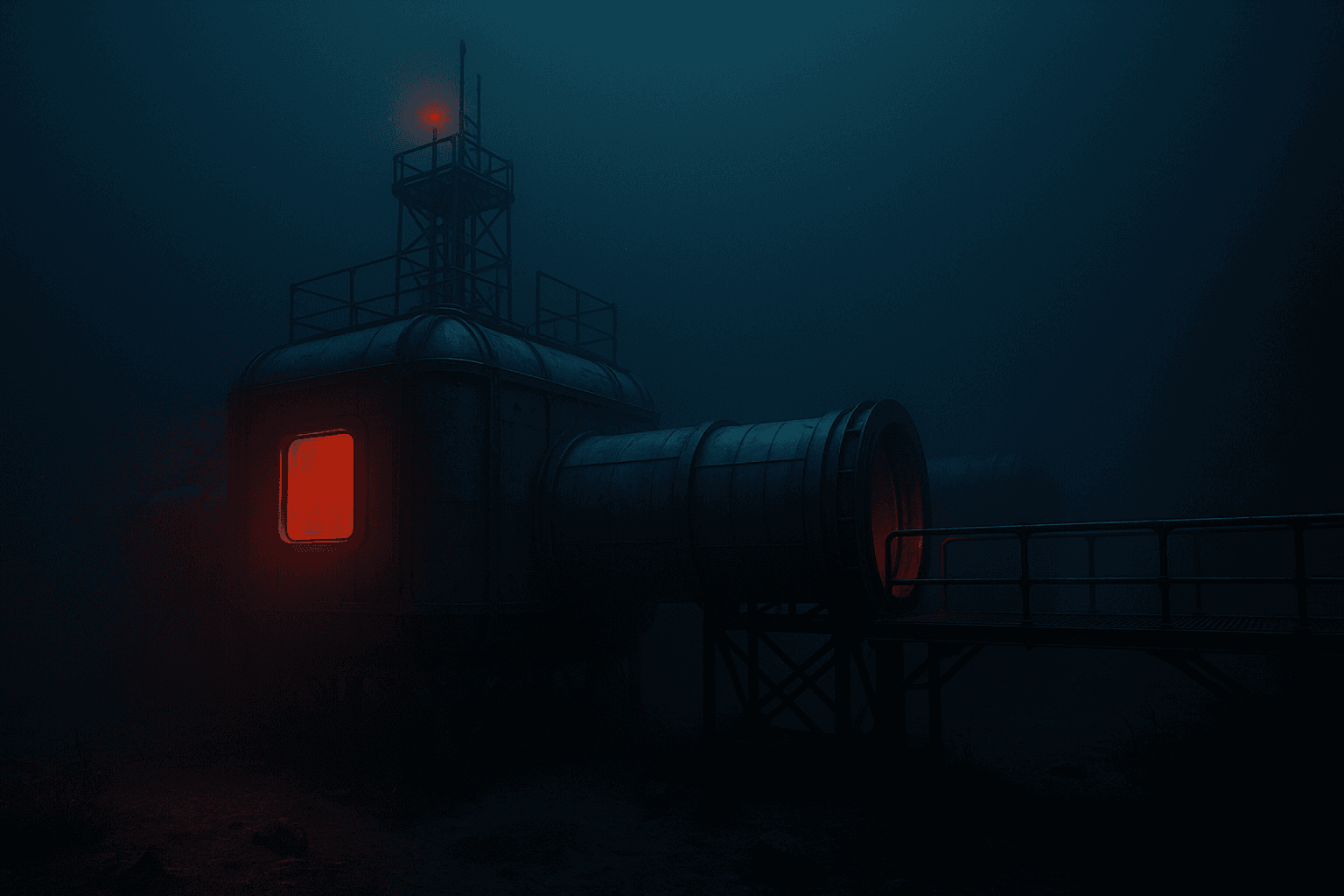
The indie horror scene exploded from early 2010s PC experiments on itch.io to the 2020–2026 Steam and console boom we’re experiencing now. Titles like SOMA (2015) pioneered philosophical slow burn horror in underwater facilities, while Darkwood (2017) proved that top-down survival could be incredibly terrifying without a single jump scare. More recently, Iron Lung (2022) demonstrated that a 1-2 hour experience viewed through a submarine porthole could deliver a nightmare more memorable than games ten times its length.
This article gives you immediate recommendations first—games you can play tonight—then dives into subgenres, themes, and practical advice for finding your next terrifying experience. If you love atmospheric dread, interesting story hooks, or surreal weirdness, you’ll find something worth your time below.
Best Indie Horror Games You Should Play First
If you want to skip the analysis and just grab something scary right now, here’s your quick-hit list of standout titles spanning multiple subgenres and platforms.
SOMA (2015, PC/PS4/Xbox One) remains the gold standard for philosophical horror, dropping you into an underwater research facility to question what makes a person human—no combat, pure vulnerability across 8-12 hours. Signalis (2022, PC/PS4/Switch/Xbox) channels classic Silent Hill and Resident Evil through a pixelated lens, weaving a 6-8 hour mystery about android love and identity with fixed cameras and satisfying puzzles. Darkwood (2017, PC/PS4/Xbox/Switch) delivers 20-30 hours of top-down survival in irradiated Soviet forests, where monsters lurk just outside your flashlight’s cone and night cycles force desperate barricading.
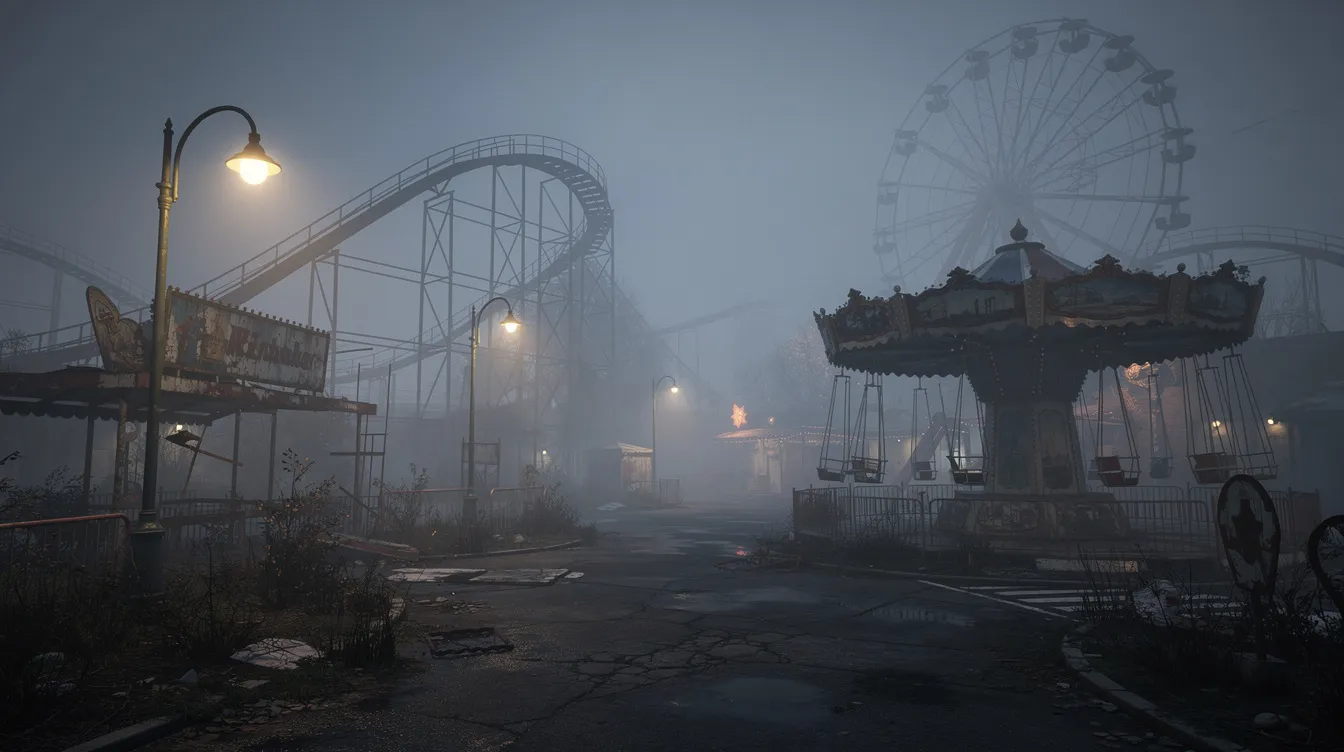
The Forest (2018, PC/PS4) offers 15-40 hours of open-world survival horror on a cannibal-infested island with base-building and cave exploration. Iron Lung (2022, PC/Switch) compresses all its fear into 1-2 claustrophobic hours inside a failing submarine. Detention (2017, PC/PS4/Switch/Xbox) uses Taiwanese folklore and 1960s martial law to create 4-6 hours of guilt-laden psychological horror. Crow Country (2024, PC/PS5/Switch/Xbox) nails the PS1 survival horror style with optional combat and abandoned theme park creepiness. Who’s Lila? (2022, PC) is weird in the best way, using facial expression controls across 30 minutes of fragmented memory. Yume Nikki (2004, PC, free) invented surreal dream exploration horror that fans still theorize about today.
Story-Driven & Narrative Indie Horror Games
Narrative-focused indie horror prioritizes pacing and emotional resonance over constant scares. These games build dread through writing, character development, and thematic weight—perfect if you want a story that sticks with you long after the credits roll.
SOMA (2015) remains the benchmark here. Set in the underwater PATHOS-II facility, it forces you to grapple with questions about consciousness, identity, and what it means to be human. The writing is honestly pretty great, and its multiple endings reward different philosophical choices without cheapening the mystery. Expect 8-12 hours of existential horror that functions more like a film than a typical horror game.
Signalis (2022) tells a surprisingly moving love story between androids against a backdrop of totalitarian sci-fi horror. Its VHS-distorted aesthetic and logbook-driven narrative about replication and loss make it a must-play for fans of moody, interpretive storytelling. Pathologic 2 (2019, PC/PS4/Xbox/Switch) demands 12-20 hours of your life and significant difficulty tolerance, but its plague-ridden steppe town narrative about sacrifice and cycles hits hard. The moment you hear a character say the sand plague spares no innocents, you’ll understand why this game has such a dedicated following.
Immortality (2022, PC/Xbox/PS5) uses FMV detective gameplay across three fictional films to uncover an actress’s fate, exploring Hollywood exploitation themes through branching clips. The Letter (2017) offers 15-20 hours of choose-your-own-adventure mansion hauntings with seven playable characters and over 20 endings—comedic moments balance the darker passages.
Atmospheric & Survival Indie Horror Games
Survival horror lives on resource scarcity, exploration, and worlds that feel hostile to your existence. These games make you manage health, supplies, and sanity while navigating spaces designed to keep you on edge.
Darkwood (2017) perfects atmospheric survival through a simple but brilliant mechanic: your visibility is limited to a cone in front of you. Monsters happen just outside your perception, signaled only by sound design that makes every rustling leaf feel threatening. The day-night cycle forces you to scavenge during daylight and barricade yourself at night, creating gameplay loops built on sustained fear rather than combat.
The Forest (2018) drops you on a cannibal-infested island after a plane crash, letting you build bases, explore cave networks, and encounter procedurally generated terror over dozens of hours. Its survival elements feel purposeful rather than tedious. Crow Country (2024) nails the retro survival horror style with fixed cameras, magnetic tape puzzles, and an abandoned theme park setting that hits that specific 90s nostalgia while remaining genuinely creepy.
For upcoming titles, keep Echoes of the Living on your radar—a husband-and-wife developer team is crafting a zombie-outbreak city with fixed cameras and virus mechanics. Tormented Souls 2 (2024, PC/PS5/Xbox) delivers tank controls and inventory puzzles in haunted sanitariums. Painted in Blood (Early Access 2026) promises gore-heavy village survival, while Flesh Made Fear targets a Halloween 2026 release with oil rig isolation horror.
Psychological, Experimental, and “Weird” Indie Horror
Some indie horror games aren’t interested in monsters you can name. They focus on discomfort, ambiguity, and the surreal—experiences that make you feel something is deeply wrong without explaining exactly what.
Pathologic 2 (2019) fits here too, blending survival with hallucinatory steppe rituals that blur the line between reality and fever dream. Who’s Lila? (2022) gives you control over your character’s facial expressions, forcing you to mimic emotions to unlock memories about family trauma. It’s only 30 minutes long but will leave you thinking about what the hell just happened for days.
Paratopic (2018, PC) delivers 45 minutes of VHS-aesthetic vignettes about smuggling body parts, fragmented road trips, and meta-roadside encounters that defy easy interpretation. The gameplay is weird in ways that feel intentional, creating moments that inspire YouTube analysis videos and forum debates. Mouthwashing (2024, PC) presents a spaceship corporate meltdown through nonlinear crew confessions and grotesque transformations—a nightmare of a different color.
Yume Nikki (2004, free) pioneered this entire approach. You explore abstract dream worlds collecting 24 “effects” with zero combat or clear objectives, and fans have spent 20+ years theorizing about its meaning. Garage: Bad Dream Adventure (1999, re-released 2022) puts you inside a therapy machine world with monochrome menus and fleshy anomalies, delivering lol-inducing strangeness alongside genuine unease.
Hidden Gems and Short-Session Indie Horror Games
Not every great horror experience requires a 20-hour commitment. Some of the most memorable indie horror games clock in under two hours, offering concentrated scares perfect for a single night session.
Iron Lung (2022) is the poster child for short-form horror. You pilot a submarine through a blood ocean, viewing the world only through a tiny porthole. At 1-2 hours, it delivers more pure tension than games five times its length. The developer talent here lies in what you never see—the monsters exist in your imagination, which is far worse.
Paratopic (2018) runs 45-60 minutes and rewards multiple playthroughs with different interpretations. A Night on the Farm (mid-2020s, PC itch.io) offers multiple endings via branching choices in under an hour. The 2018 Call of Cthulhu adaptation, while published by a larger studio, has an indie-feeling jank and atmosphere across its 10 hours of investigative horror with sanity mechanics that make it worth checking out.
Bahnsen Knights (2023, PC) contributes to a lo-fi pixel horror trilogy with cryptic knight hunts and short runtime. These games prove that fun, fear, and meaningful box-checking of horror conventions can happen without demanding your entire weekend.
How to Choose the Right Indie Horror Game for You
Between 2015 and 2026, over 10,000 horror-tagged indie games hit Steam alone. Finding the right one means understanding what kind of scare you’re actually looking for.
If you love classic Resident Evil or Dead Space, survival horror titles like Tormented Souls 2, Crow Country, or Echoes of the Living deliver those fixed-camera, resource-management vibes. If you want psychological horror without combat, SOMA or Detention will hit that point. Fans of Lynchian weirdness should try Strangeland (2021) or Paratopic. For co-op play with friends, Sorry We’re Closed (2024) blends social deduction with survival against entities.
Platform considerations matter too. Most indie horror runs fine on older PCs since retro aesthetics are part of the style—Darkwood runs on 2013 hardware, honestly. Controller preference varies by game: fixed-camera titles like Signalis feel better on gamepad, while first-person games like SOMA suit mouse and keyboard.
Subscribe to our newsletter for weekly horror game coverage and recommendations. Indie horror thrives because small teams take creative risks that would never survive a boardroom meeting at a major publisher. Support these studios by wishlisting upcoming titles, grabbing demos during Steam festivals, and telling people when you’ve heard about something amazing. The future of scary games depends on players willing to wait for something different.
Frequently Asked Questions About Indie Horror Games
What counts as an indie horror game in 2026? An indie horror is typically developed by a small team (under 50 people), self-published or released through limited publishing deals, and built using accessible engines like Unity or Unreal. Budget is often under $100,000 compared to AAA productions exceeding $50 million.
Are indie horror games scarier than AAA ones? Many players find them scarier because they sustain vulnerability longer without power fantasies. Indies tap into subconscious anxieties through intimate, player-connected narratives rather than relying on chase sequences and jump scares alone.
Can my older PC handle most indie horror titles? Yes. The retro low-poly and pixel art trends mean most stylized indie horror runs on modest hardware. Games like Signalis, Darkwood, and Yume Nikki don’t necessarily require modern specs.
Which indie horror games are best for beginners? Start with Iron Lung for a short commitment or Signalis for a more traditional survival horror sign of what the genre offers. Both provide accessible entry points with clear mechanics.
Are there free indie horror games worth playing? Absolutely. Yume Nikki remains free and influential, while itch.io horror jams regularly produce hundreds of experimental demos. Check 2024-2026 jam archives for hidden talent.
Looking ahead to late 2026, keep Infernum on your radar—its nonlinear stalking mechanics and nerve hallucination systems suggest the indie horror boom shows no sign of slowing.
If you also play Roblox, our best Roblox horror games ranking covers the platform's most terrifying experiences, and our best Roblox games guide covers every genre. One upcoming title worth watching is Auntie Atom: The Final Harvest, a 100-player survival horror game pushing Roblox's visual boundaries. For more curated game recommendations, explore our game reviews and guides sections.